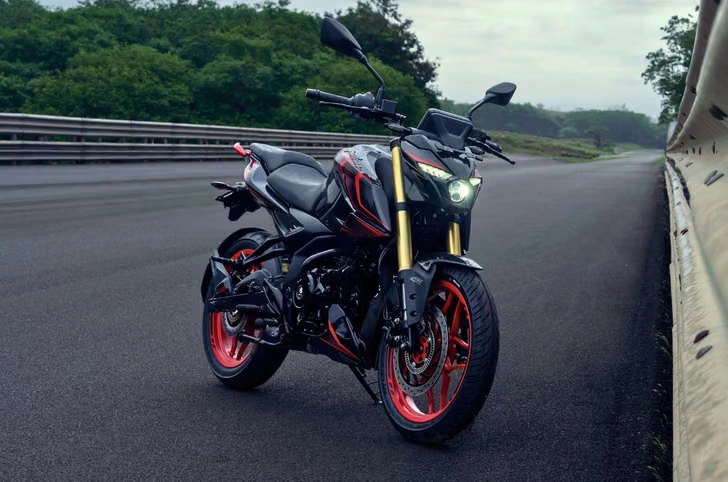
New Bajaj Pulsar N160 S and N160 SS Launched!
The New Bajaj Pulsar N160 S and N160 SS have officially been launched in India, bringing one of the biggest updates to the popular Pulsar lineup in recent years. The Pulsar has always been one of those motorcycles that needs no introduction. For more than two decades, it has remained a popular choice for riders looking for a balance of everyday practicality and sporty character. Over the years, Bajaj has continued to evolve the brand, but some updates have been bigger than others.
The newly launched Pulsar N160 S and Pulsar N160 SS are among those bigger updates. While the motorcycles may look familiar at first glance, Bajaj has made several meaningful changes that go far beyond a cosmetic refresh. From mechanical upgrades to new technology, there is plenty to talk about, and some of the additions could even raise the benchmark in the premium 160 cc segment.
So, what exactly has changed? Let’s take a closer look.
What’s New In The Design
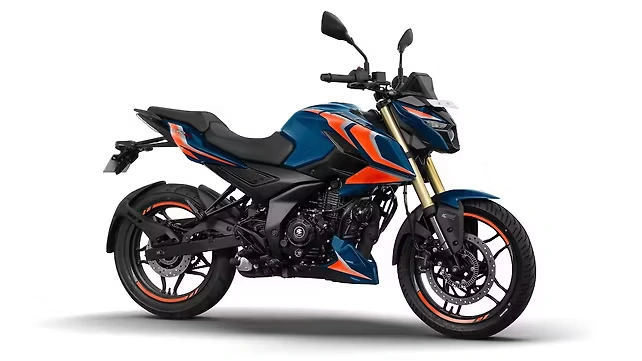
If you were expecting a completely redesigned Pulsar N160, you might be surprised. The New Bajaj Pulsar N160 continues with the familiar streetfighter styling. The existing design has aged well and still manages to stand out in traffic.
A closer look reveals a few thoughtful changes rather than a complete redesign. There are new colour options, refreshed graphics, and a few styling tweaks that give the motorcycle a cleaner and more premium appearance. The muscular fuel tank, projector LED headlamp, split seat, and sharp tail section continue unchanged, preserving the sporty character that buyers have come to associate with the N160.
In our opinion, Bajaj has taken the sensible route here. Instead of changing a design that already works, the company has focused on improving the overall finish while letting the bigger updates happen where they matter most.
New Four Valve Engine
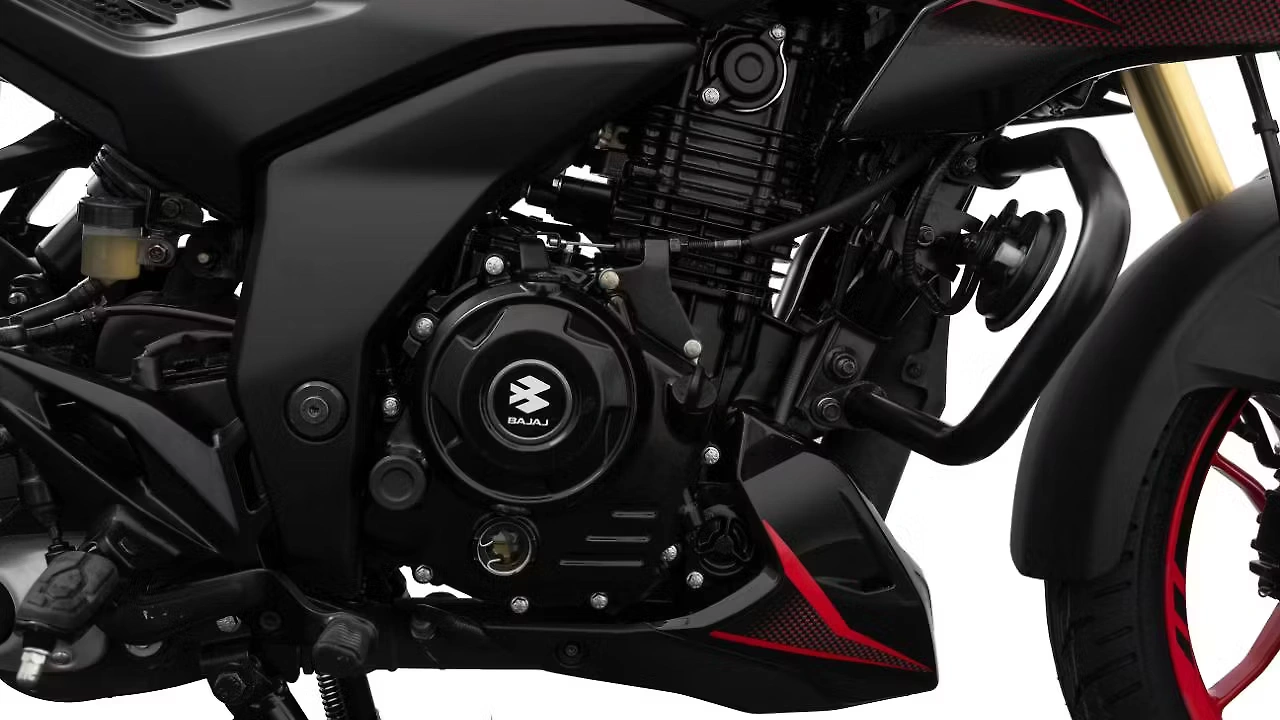
The biggest update to The New Bajaj Pulsar N160 range isn’t immediately visible. Bajaj has replaced the previous two-valve engine with a new 164.5 cc four-valve, single-cylinder engine, giving the motorcycle a welcome boost in both performance and refinement. It’s the completely new engine. Bajaj has replaced the previous two-valve engine with a new 164.5 cc four-valve, single-cylinder engine, giving the motorcycle a noticeable boost in both performance and refinement.
The new engine now produces 18.5 PS of power and 14.4 Nm of torque, paired with a five-speed gearbox. On paper, the increase may not look dramatic, but the four-valve setup is expected to deliver smoother power across the rev range and make the motorcycle feel more eager, especially during quick overtakes and highway rides.
For everyday riders, this means the Pulsar should feel just as comfortable weaving through city traffic as it does cruising on open roads. It is the kind of upgrade that improves the overall riding experience rather than simply chasing bigger performance numbers. In many ways, this new engine is what truly sets the latest N160 apart from the model it replaces.
Specifications At A Glance
Here’s a quick look at the key specifications of the new Bajaj Pulsar N160 range before we get into the feature updates.
| Specification | Details |
| Engine | 164.5 cc, Single Cylinder, 4 Valve |
| Maximum Power | 18.5 PS |
| Peak Torque | 14.4 Nm |
| Transmission | 5 Speed |
| Fuel Tank Capacity | 14 Litres |
| Ride Modes | N160 SS Only |
| Electronic Throttle Body | N160 SS Only |
| Instrument Console | LCD (N160 S), 5 Inch TFT (N160 SS) |
| Navigation | Turn by Turn (N160 S), Google Maps (N160 SS) |
| Safety | Dual Channel ABS, Traction Control (N160 SS) |
New Features And Technology
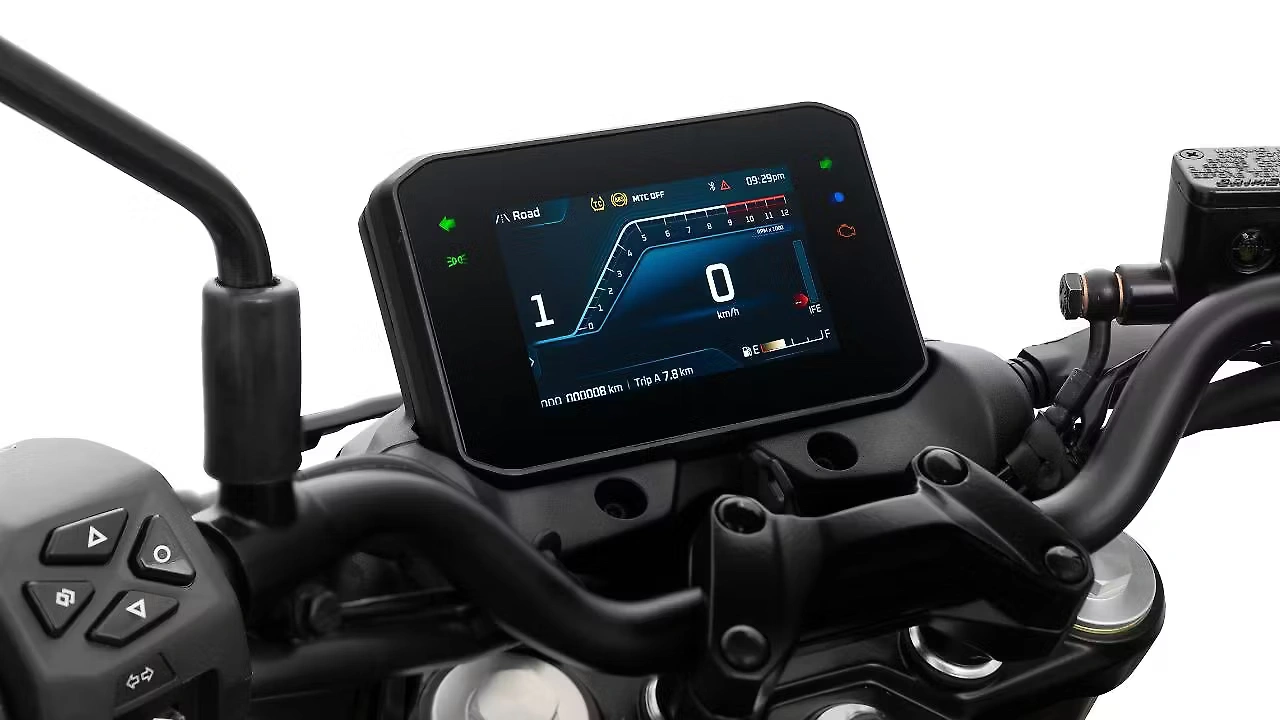
The biggest difference between the two new models is the level of technology on offer. While the Pulsar N160 S gets a decent list of connected features, the Pulsar N160 SS takes things a step further with equipment that’s rarely seen in this segment.
One of the highlights is the Electronic Throttle Body, which replaces the traditional throttle cable with an electronic system. This allows Bajaj to offer multiple ride modes and traction control, helping the motorcycle adapt better to different riding conditions. Whether you’re riding through city traffic or dealing with wet roads, these features are designed to make the experience smoother and more confidence-inspiring.
The N160 SS also gets a new 5-inch TFT instrument cluster with Google Maps navigation, smartphone connectivity, call and message alerts, and other connected functions. The display looks modern, is easy to read, and gives the motorcycle a more premium feel.
The standard Pulsar N160 S isn’t left behind either. It comes equipped with an updated LCD instrument console that supports Bluetooth connectivity and turn-by-turn navigation, making everyday rides a little more convenient without adding unnecessary complexity.
More importantly, these aren’t features that exist just to fill a brochure. They’re the kind of additions riders are likely to use every day, whether it’s navigation during a commute or ride modes on a weekend highway run. It is these practical upgrades that make the new N160 range feel like a genuine step forward.
Suspension And Brakes
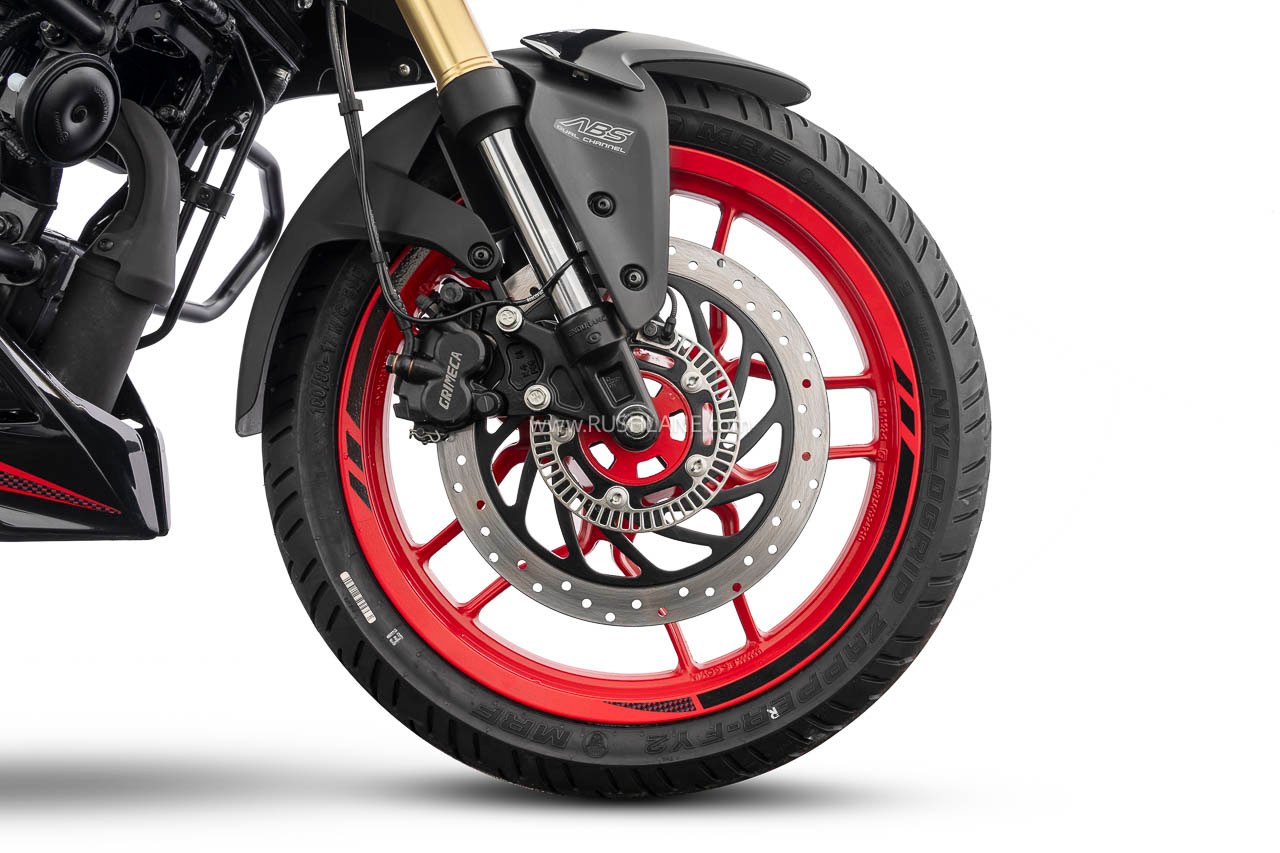
The biggest updates on the new Pulsar N160 range may be the engine and technology, but Bajaj hasn’t overlooked the basics. The company has retained the same setup that made the previous N160 a comfortable and confidence-inspiring motorcycle for everyday riding.
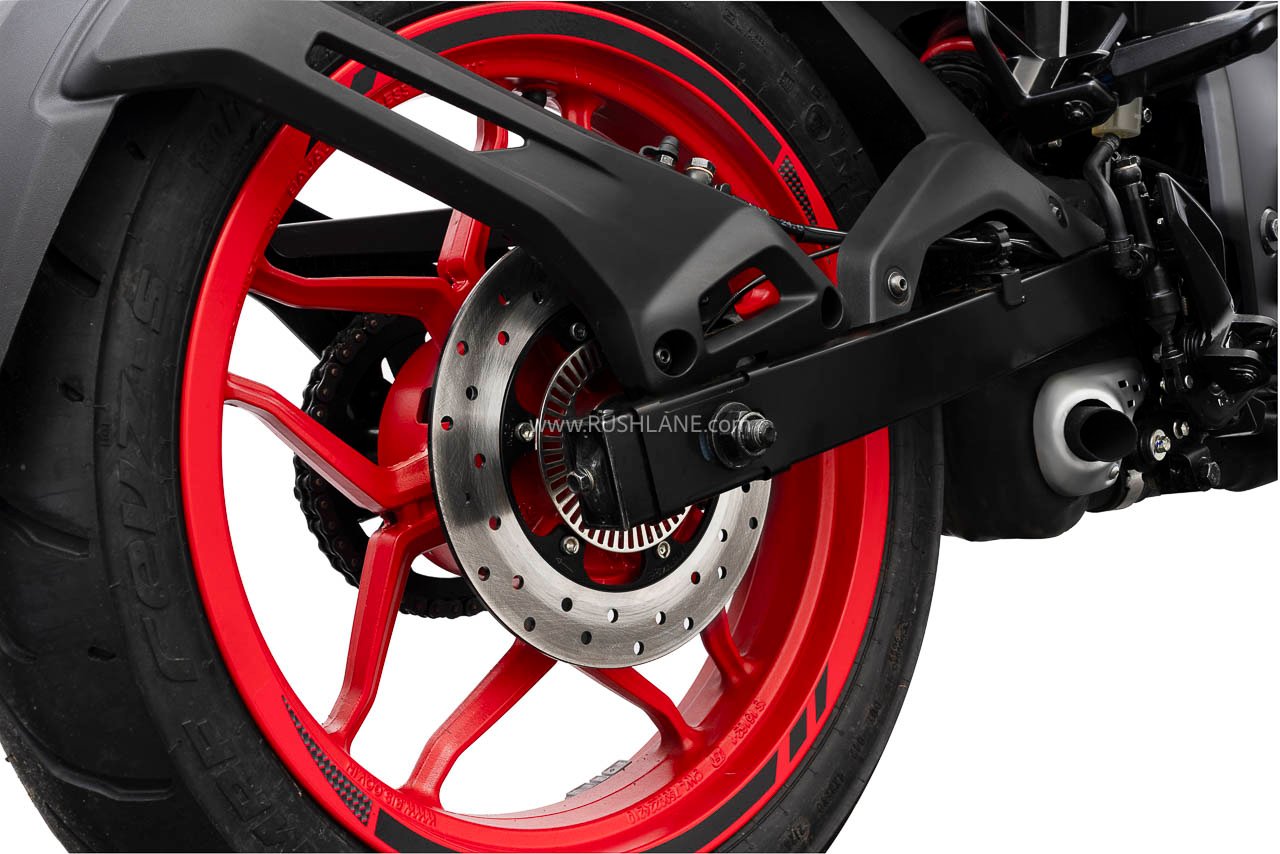
Both the Pulsar N160 S and Pulsar N160 SS continue with the perimeter frame, while suspension duties are handled by telescopic or upside-down front forks depending on the variant, along with a rear monoshock. Braking is managed by disc brakes at both ends with dual-channel ABS as standard. The N160 SS also gets traction control, giving riders a little more confidence on slippery roads.
Mechanically, both motorcycles are quite similar. The biggest differences come in terms of features, technology, and rider aids, which are easier to understand in the comparison below.
Key Differences Between Pulsar N160 S And N160 SS
| Feature | Pulsar N160 S | Pulsar N160 SS |
| Engine | 4 Valve Engine | 4 Valve Engine |
| Electronic Throttle Body | No | Yes |
| Ride Modes | No | Yes |
| Traction Control | No | Yes |
| Instrument Console | LCD With Bluetooth | 5 Inch TFT Display |
| Google Maps Navigation | Turn-by-turn | Full Google Maps Integration |
| Smartphone Connectivity | Yes | Yes |
Price And Rivals
Bajaj has launched the Pulsar N160 S and Pulsar N160 SS at competitive prices, keeping them well within reach of buyers looking for a premium 160 cc motorcycle.
| Variant | Ex-Showroom Price |
| Bajaj Pulsar N160 S | Rs 1.34 lakh |
| Bajaj Pulsar N160 SS | Rs 1.43 lakh |
At this price, the new Pulsar twins go up against the TVS Apache RTR 160 4V, Hero Xtreme 160R 4V, Yamaha FZ S Fi, and Honda SP160, giving buyers plenty of options to choose from in the segment.
Should You Buy The New Bajaj Pulsar N160?
New Bajaj Pulsar N160 already had a strong foundation, so Bajaj didn’t try to reinvent it. Instead, the company focused on improving the areas that mattered most. The result is a motorcycle that feels more modern, more refined, and better prepared to take on an increasingly competitive 160 cc segment.
For everyday riders, the N160 S offers everything you’d expect from a practical yet sporty motorcycle. If you enjoy having the latest technology and don’t mind spending a little more, the N160 SS adds enough to justify the premium.
More than anything, this update shows that Bajaj is listening to what riders actually want. Better performance, smarter technology, and everyday usability all come together without changing the identity that has made the Pulsar one of India’s most popular motorcycles.







yrLdZHLmrvgaiNsRuq